Growth Hormone Research
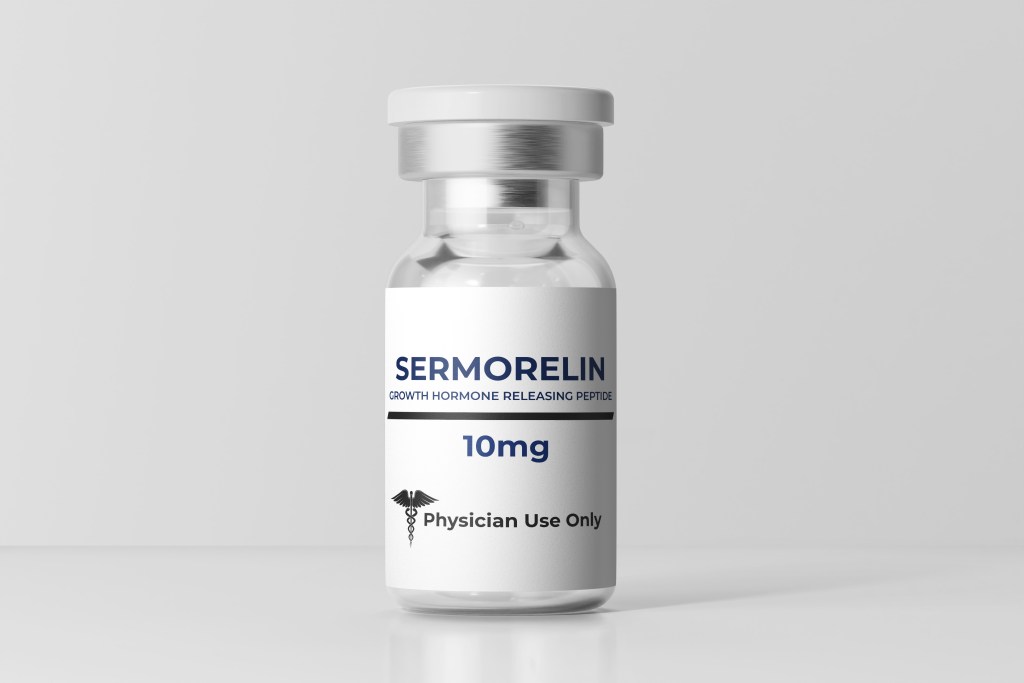
Sermorelin 10mg
$99.00
In stock
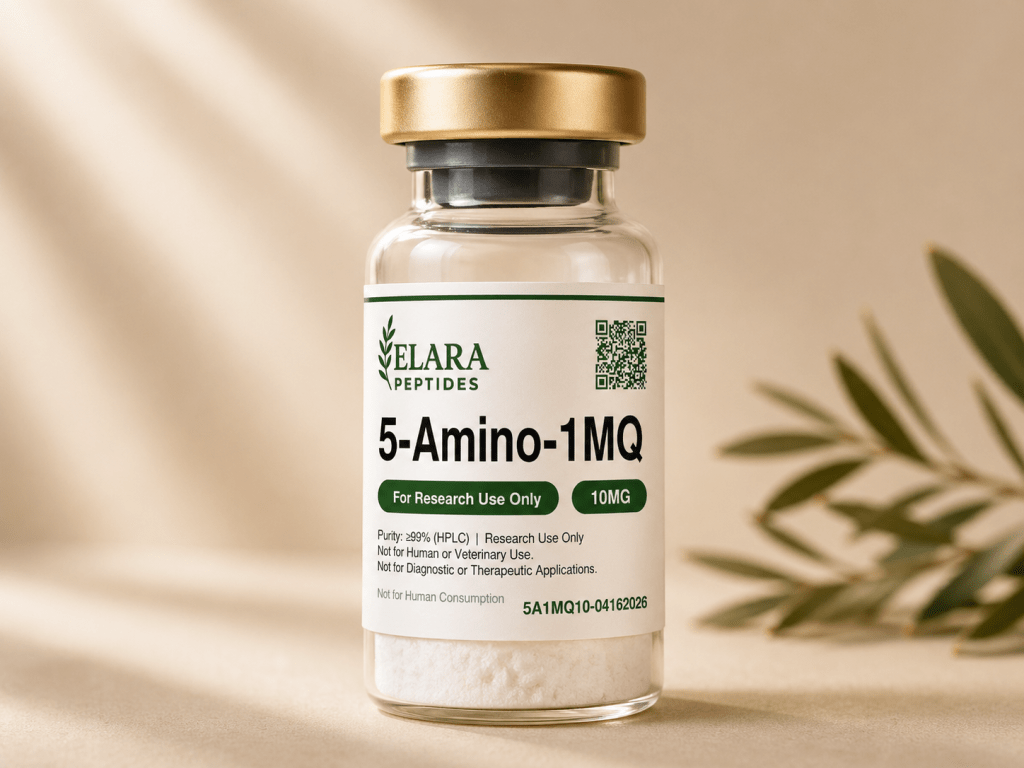
5-Amino-1MQ (5-amino-1-methylquinolinium) is a small molecule inhibitor of the enzyme nicotinamide N-methyltransferase (NNMT). Despite being grouped with peptide research compounds in many supplier catalogs, 5-Amino-1MQ is not a peptide — it is a methylquinolinium small molecule designed to selectively inhibit NNMT enzyme activity. NNMT is a metabolic enzyme that has emerged in the past decade as a key regulator of NAD+ availability, methyl donor metabolism, and adipose tissue function. NNMT activity is significantly elevated in obese adipose tissue, in muscle from elderly subjects, and in multiple cancer types — making the enzyme a focal point in metabolic and longevity research and 5-Amino-1MQ a key research tool for studying NNMT pharmacology.
It is sold for laboratory and analytical research only and is not approved by the U.S. Food and Drug Administration for any therapeutic indication.
5-Amino-1MQ has the IUPAC name 5-amino-1-methylquinolin-1-ium and is structurally a methylquinolinium salt with an amino group at the 5-position. Its molecular formula is C10H11N2+ for the cation, with the compound typically supplied as a salt form (commonly the iodide). The molecular weight of the parent cation is approximately 159.2 Daltons; counterion adds additional mass depending on the salt form. The compound was developed through structure-activity research at the Sidney Kimmel Cancer Center and other institutions specifically to inhibit NNMT enzyme activity selectively.
The lyophilized (freeze-dried) form supplied for research is stable at -20°C for up to 24 months when sealed and protected from moisture. Following reconstitution with bacteriostatic water or other appropriate solvent, the compound retains research-grade integrity for approximately 30 days when refrigerated at 2–8°C and protected from light. Repeated freeze-thaw cycles should be avoided.
5-Amino-1MQ functions as a selective inhibitor of nicotinamide N-methyltransferase (NNMT), a metabolic enzyme with multiple important roles in human cellular biology.
NNMT enzyme function. NNMT catalyzes the methylation of nicotinamide (a vitamin B3 form) using S-adenosylmethionine (SAM) as the methyl donor. The reaction produces 1-methylnicotinamide (1-MNA) and S-adenosylhomocysteine (SAH). NNMT activity therefore consumes nicotinamide (a precursor to NAD+) and consumes SAM (the universal methyl donor for hundreds of human methylation reactions) — making the enzyme a node connecting NAD+ metabolism and methyl donor availability.
NAD+ availability and metabolism. NNMT activity reduces nicotinamide salvage to NAD+ by diverting nicotinamide to 1-MNA production. Inhibiting NNMT preserves nicotinamide for NAD+ synthesis, contributing to higher cellular NAD+ levels. Given the central role of NAD+ in energy metabolism, sirtuin function, and cellular aging biology (see also our NAD+ research compound), NNMT inhibition is mechanistically connected to the broader research interest in NAD+ pathway interventions.
SAM availability and methylation potential. NNMT activity consumes SAM, the universal methyl donor for methylation reactions including DNA methylation, histone methylation, and methylation of many small molecules. Elevated NNMT activity (as observed in obese adipose tissue and aged muscle) drains the SAM pool and reduces overall methylation capacity. NNMT inhibition preserves SAM for other methylation reactions and has been studied for effects on epigenetic regulation.
Adipose tissue biology. Research has documented that NNMT activity is significantly elevated in obese adipose tissue compared to lean tissue, contributing to adipocyte expansion and metabolic dysfunction. 5-Amino-1MQ research in adipocytes has documented effects including reduced adipocyte size, decreased lipid accumulation, and altered metabolic gene expression. These findings have driven research interest in NNMT inhibition for obesity and metabolic syndrome contexts.
Muscle biology and aging. Research has documented elevated NNMT activity in skeletal muscle from elderly subjects compared to young subjects, and NNMT inhibition has been studied for effects on muscle function, fiber type composition, and exercise capacity in aged animal models. The mechanism connects directly to age-related decline in NAD+ availability and methylation capacity.
Cancer biology. Elevated NNMT activity has been documented in multiple cancer types including renal, gastric, and pancreatic cancers, where it contributes to altered metabolism and potentially to therapy resistance. NNMT is being studied as a potential therapeutic target in oncology research, with 5-Amino-1MQ as a tool compound for these investigations.
Epigenetic regulation. By preserving SAM availability, NNMT inhibition has been studied for effects on DNA and histone methylation patterns, with relevance to epigenetic regulation in aging, metabolic disease, and cancer biology.
5-Amino-1MQ is a relatively young research compound — published research on it began in the mid-2010s — and human clinical trials are underway but at relatively early stages. The mechanistic foundation in NNMT biology has substantial human research backing.
NNMT in human tissue biology. Multiple published studies have documented elevated NNMT expression and activity in human tissues across disease and aging contexts. Adipose tissue from obese subjects shows significantly elevated NNMT activity compared to lean controls. Skeletal muscle from elderly subjects shows elevated NNMT compared to young controls. Multiple cancer tissues show NNMT upregulation correlating with poor prognosis. These observations in human tissue establish the clinical relevance of the enzyme target.
Phase 1 clinical research. Phase 1 clinical trials of 5-Amino-1MQ in human subjects have been initiated by pharmaceutical companies pursuing the compound for obesity and metabolic indications. Researchers should consult ClinicalTrials.gov and primary literature for the most current clinical trial status.
Translational research areas with substantial human clinical relevance:
Every batch of 5-Amino-1MQ supplied by Elara is independently analyzed by a third-party laboratory before release. Our Certificate of Analysis documents two distinct verification measures:
HPLC purity (≥99%). High-performance liquid chromatography separates the small molecule from synthesis-related impurities, regiochemical isomers, and degradation products. Our specification requires a minimum 99% purity at the main peak. For small molecules like 5-Amino-1MQ, regiochemistry verification is particularly important — closely related isomers with the amino group at different positions on the quinoline ring would have substantially different biological activity.
Mass spectrometry identity confirmation. MS analysis confirms that the molecular weight of the peak compound matches the theoretical molecular weight of 5-Amino-1MQ, verifying both structural identity and the correct salt form of the supplied compound.
The COA accompanies every shipment and is also available for download on this product page.
For laboratory research applications, 5-Amino-1MQ may be reconstituted using bacteriostatic water or other appropriate aqueous solvents depending on the specific experimental protocol. Standard practice involves slow addition of solvent and gentle agitation until fully dissolved.
Once reconstituted, the solution should be stored at 2–8°C, protected from light, and used within 30 days for optimal molecular integrity. Sterile technique is essential during all handling steps. Researchers performing in vitro work or animal model studies should refer to their institution's IACUC protocols and standard handling guidelines specific to their experimental design.
What is 5-Amino-1MQ?
5-Amino-1MQ (5-amino-1-methylquinolinium) is a small molecule inhibitor of nicotinamide N-methyltransferase (NNMT), a metabolic enzyme with important roles in NAD+ metabolism, methyl donor handling, and adipose tissue biology. It is grouped with research peptides in many supplier catalogs but is structurally a small molecule, not a peptide.
Is 5-Amino-1MQ a peptide?
No. 5-Amino-1MQ is a small molecule with a methylquinolinium structure — not a peptide and not derived from amino acids. It is grouped with research peptides because it is similarly handled (lyophilized, reconstituted, used in research applications), but its molecular class is distinct.
What is NNMT and why is it a research target?
NNMT (nicotinamide N-methyltransferase) is an enzyme that methylates nicotinamide using S-adenosylmethionine (SAM) as the methyl donor. NNMT activity therefore consumes nicotinamide (an NAD+ precursor) and consumes SAM (the universal methyl donor). Elevated NNMT activity is documented in obese adipose tissue, aged muscle, and multiple cancer types — making the enzyme a focal point in metabolic, longevity, and cancer research.
How does NNMT inhibition relate to NAD+ research?
NNMT activity reduces nicotinamide salvage to NAD+. Inhibiting NNMT preserves nicotinamide for NAD+ synthesis, contributing to higher cellular NAD+ levels. This connects 5-Amino-1MQ research directly to the broader NAD+ pathway research that includes compounds like NMN, NR, and direct NAD+ supplementation. NNMT inhibition is a complementary approach to elevating NAD+ availability.
Has 5-Amino-1MQ been studied in humans?
Direct human clinical research on 5-Amino-1MQ is at relatively early stages, with Phase 1 trials initiated by pharmaceutical companies. Substantial human research has documented the underlying NNMT biology — including elevated NNMT activity in human obese adipose tissue, aged muscle, and cancer tissues — that establishes the clinical relevance of the target. Researchers should consult ClinicalTrials.gov and primary literature for the most current clinical trial status.
What does HPLC ≥99% purity actually mean for a small molecule?
For small molecules like 5-Amino-1MQ, HPLC ≥99% purity means at least 99% of the integrated peak area in HPLC analysis corresponds to the target compound. Regiochemistry verification (correct positioning of the amino group on the quinoline ring) is particularly important for small molecule research compounds, as positional isomers can have substantially different biological activity.
How long is 5-Amino-1MQ stable after reconstitution?
Reconstituted 5-Amino-1MQ retains research-grade integrity for approximately 30 days when stored refrigerated at 2–8°C and protected from light. Avoid freeze-thaw cycles. Lyophilized (unreconstituted) compound is stable at -20°C for up to 24 months when properly sealed.
What human pathways does 5-Amino-1MQ research target?
The most-studied pathways with direct human clinical relevance include NNMT enzyme inhibition (the direct molecular target), NAD+ availability and metabolism, S-adenosylmethionine and methylation potential, adipose tissue biology and obesity research, skeletal muscle biology in aging, cancer cell metabolism (where NNMT is a potential oncology target), and broader research into the connection between metabolism and epigenetic regulation.
Does Elara test every batch?
Yes. Every production batch of 5-Amino-1MQ receives independent third-party HPLC and mass spectrometry analysis before release. Batches that do not meet our 99% purity specification — including verification of correct regiochemistry — are rejected. The COA documenting analytical results for the specific batch you receive is included with every shipment and available for download above.
| Purity | =99% (HPLC verified) |
| Form | Lyophilized (freeze-dried) powder |
| Testing | Independent HPLC, mass spectrometry, endotoxin |
| Documentation | Batch-matched Certificate of Analysis |
| SKU | 5AMINO |
Proper storage is essential to maintain peptide integrity and maximize shelf life. Follow these guidelines for best results in your research workflow.
15% off · first order
Get 15% off your first order, plus batch notes and new-compound releases. No noise.
Research use only. Unsubscribe anytime.
You're in
Also sent to your inbox. Apply it at checkout.
WELCOME15
Reviews
There are no reviews yet.