
Weight Loss
SLU-PP-332 5mg
$149.00
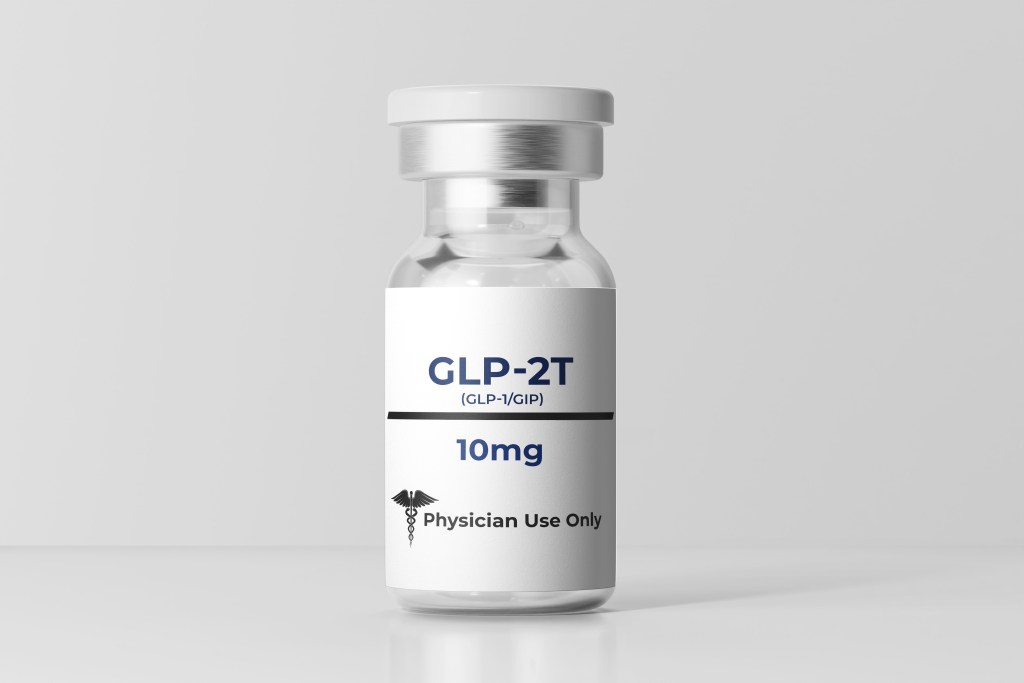
Tirzepatide is a 39-amino-acid synthetic peptide that functions as a dual agonist of the glucagon-like peptide-1 (GLP-1) and glucose-dependent insulinotropic polypeptide (GIP) receptors. Developed and patented by Eli Lilly and Company, it was approved by the U.S. Food and Drug Administration in May 2022 for the treatment of Type 2 diabetes mellitus under the brand name Mounjaro, and again in November 2023 for chronic weight management under the brand name Zepbound. It is one of the most extensively studied incretin-based compounds in human clinical research, with three completed Phase 3 trial programs (SURPASS, SURMOUNT, and SYNERGY-NASH) involving more than 15,000 human subjects across multiple disease areas.
It is sold for laboratory and analytical research only and is not approved by the U.S. Food and Drug Administration for any therapeutic use outside of its registered indications under Mounjaro and Zepbound, which are available exclusively through licensed pharmaceutical channels.
Tirzepatide is a 39-amino-acid linear peptide modified with a C20 fatty diacid moiety attached via a linker, which extends its plasma half-life to approximately 5 days through albumin binding. Its molecular formula is C225H348N48O68 with a molecular weight of approximately 4,813.5 Daltons — significantly larger than first-generation GLP-1 analogues like semaglutide. The fatty acid modification is structurally analogous to the design strategy used in semaglutide, but tirzepatide's amino acid backbone is engineered for dual receptor affinity rather than GLP-1 selectivity alone.
The lyophilized (freeze-dried) form supplied for research is stable at -20°C for up to 24 months when sealed and protected from moisture. Following reconstitution with bacteriostatic water, the compound retains research-grade integrity for approximately 30 days when refrigerated at 2–8°C and protected from light. Tirzepatide is generally more stable in solution than older GLP-1 analogues due to its modified backbone, though freeze-thaw cycles should be avoided to maintain experimental reproducibility.
Tirzepatide's pharmacology is built on the incretin axis, which is foundational to human glucose homeostasis and energy balance. Both target receptors — GLP-1 and GIP — are conserved across mammals and active in human metabolic regulation.
GLP-1 receptor agonism. Glucagon-like peptide-1 is an endogenous incretin hormone secreted by intestinal L-cells in response to nutrient intake. In human physiology, GLP-1 receptor activation produces glucose-dependent insulin secretion, suppression of glucagon release, slowed gastric emptying, and central effects on satiety mediated through the hypothalamus and brainstem. GLP-1 receptor agonism is the validated mechanism behind a class of FDA-approved diabetes and obesity therapeutics including liraglutide (Victoza, Saxenda) and semaglutide (Ozempic, Wegovy, Rybelsus). Tirzepatide binds the GLP-1 receptor with high affinity and produces all of these downstream effects in human studies.
GIP receptor agonism. Glucose-dependent insulinotropic polypeptide is a second endogenous incretin, secreted by intestinal K-cells. GIP's role in human metabolism was historically less well understood than GLP-1's, and earlier compounds in this space targeted GLP-1 alone. Tirzepatide was the first compound to demonstrate that simultaneous GIP receptor agonism, when combined with GLP-1 activity, produces additive metabolic benefits — including improved insulin sensitivity, enhanced lipolysis in adipose tissue, and effects on energy expenditure that GLP-1 monotherapy does not produce. This dual-agonist mechanism is what differentiates tirzepatide pharmacologically from earlier-generation incretin compounds.
Central nervous system effects on appetite regulation. Both GLP-1 and GIP receptors are expressed in human hypothalamic and brainstem nuclei involved in appetite regulation. Functional MRI studies in human subjects have documented tirzepatide-associated changes in activity in reward-processing brain regions during food-cue exposure, providing mechanistic insight into the appetite suppression observed clinically.
Adipose tissue metabolism. Research in human adipocytes and adipose tissue biopsies from clinical trial participants has documented tirzepatide's effects on lipolysis, adipocyte differentiation, and inflammatory marker expression in fat tissue. These adipose-specific effects are an active area of human research and are believed to contribute to the magnitude of weight loss observed clinically.
Cardiovascular and renal pathways. GLP-1 receptor activation has documented effects on vascular endothelial function, blood pressure, and renal handling of sodium in human subjects. Tirzepatide-specific cardiovascular outcomes research is ongoing through dedicated cardiovascular outcomes trials, with early data suggesting effects beyond what would be expected from glucose lowering and weight loss alone.
Tirzepatide has one of the most robust human clinical research portfolios of any peptide compound on the market. The published literature spans diabetes, obesity, cardiovascular outcomes, sleep apnea, and liver disease.
SURPASS clinical trial program (Type 2 Diabetes). The SURPASS program comprised five Phase 3 trials in patients with Type 2 diabetes, evaluating tirzepatide against placebo, semaglutide, insulin degludec, and insulin glargine. Across the program, tirzepatide demonstrated superior reductions in HbA1c (glycated hemoglobin) and body weight compared to all comparators tested. SURPASS-2 directly compared tirzepatide to semaglutide and demonstrated greater HbA1c reductions and approximately twice the weight loss at the highest dose. These results formed the basis of the FDA approval of Mounjaro for Type 2 diabetes in May 2022.
SURMOUNT clinical trial program (Chronic Weight Management). The SURMOUNT program evaluated tirzepatide for chronic weight management in patients with and without diabetes. SURMOUNT-1, published in the New England Journal of Medicine in 2022, documented mean weight reductions of 15–22.5% from baseline at 72 weeks across tirzepatide doses, compared to 2.4% for placebo. These outcomes were notably greater than those observed in pivotal trials for previously approved obesity therapeutics. The FDA approved tirzepatide as Zepbound for chronic weight management in November 2023.
SURMOUNT-OSA (Obstructive Sleep Apnea). Published in 2024, this trial evaluated tirzepatide in patients with moderate-to-severe obstructive sleep apnea and obesity. The trial documented significant reductions in apnea-hypopnea index alongside weight loss, leading to FDA approval of Zepbound for obstructive sleep apnea in obese adults in December 2024 — the first pharmacotherapy ever approved for this indication.
SYNERGY-NASH and metabolic dysfunction-associated steatohepatitis. Tirzepatide is currently in Phase 3 trials for MASH (formerly NASH), the progressive liver disease driven by metabolic dysfunction. Earlier-phase data has demonstrated reductions in liver fat content and improvements in fibrosis biomarkers, with full Phase 3 readouts expected in coming years.
Cardiovascular outcomes research. The SURPASS-CVOT trial, ongoing as of this writing, is evaluating tirzepatide's effects on major adverse cardiovascular events (MACE) in patients with Type 2 diabetes and established cardiovascular disease. Results are expected to inform broader cardiovascular labeling considerations.
Real-world evidence. Beyond the registration trials, an extensive observational research literature has emerged examining tirzepatide outcomes in routine clinical practice, including comparative effectiveness studies versus semaglutide, persistence and discontinuation patterns, and head-to-head metabolic outcome comparisons. This real-world evidence base is among the most rapidly expanding in metabolic medicine.
The depth and breadth of human clinical research on tirzepatide is uncommon in the synthetic peptide space and provides researchers studying GLP-1/GIP biology with extensive validated reference points for experimental design and result interpretation.
Every batch of tirzepatide supplied by Elara is independently analyzed by a third-party laboratory before release. Our Certificate of Analysis documents two distinct verification measures:
HPLC purity (≥99%). High-performance liquid chromatography separates the synthesized peptide from synthesis-related impurities, truncation sequences, and degradation products. Our specification requires a minimum 99% purity at the main peak. Tirzepatide synthesis is technically demanding due to the compound's length (39 amino acids) and the fatty acid modification, making rigorous purity verification particularly important for research reproducibility.
Mass spectrometry identity confirmation. MS analysis confirms that the molecular weight of the peak compound matches the theoretical molecular weight of tirzepatide (~4,813.5 Da), verifying both structural identity and the absence of significant mass-shift modifications. For a compound this complex, mass spectrometry is the definitive identity test — it confirms what's in the vial is what the label says.
The COA accompanies every shipment and is also available for download on this product page.
For laboratory research applications, tirzepatide is typically reconstituted using bacteriostatic water (0.9% benzyl alcohol). Standard practice involves slow addition of solvent along the inside wall of the vial — never directly onto the lyophilized powder, which can cause aggregation and reduce solubility. The vial is then gently swirled (not shaken or vortexed) until the peptide is fully dissolved. Tirzepatide reconstitutes more readily than smaller peptides due to its modified amphipathic structure but should still be handled with standard precautions.
Once reconstituted, the solution should be stored at 2–8°C, protected from light, and used within 30 days for optimal molecular integrity. Sterile technique is essential during all handling steps. Researchers performing in vitro work or animal model studies should refer to their institution's IACUC protocols and standard handling guidelines specific to their experimental design.
What is tirzepatide?
Tirzepatide is a synthetic 39-amino-acid peptide that activates both the GLP-1 and GIP receptors — making it a dual incretin receptor agonist. It was developed by Eli Lilly and Company and approved by the FDA as Mounjaro (Type 2 diabetes, 2022), Zepbound (chronic weight management, 2023), and Zepbound for obstructive sleep apnea (2024). For research applications, tirzepatide provides a well-characterized tool for studying dual incretin receptor pharmacology.
How is tirzepatide different from semaglutide?
Semaglutide (Ozempic, Wegovy) is a single-receptor agonist targeting GLP-1 only. Tirzepatide is a dual agonist activating both GLP-1 and GIP receptors. In direct head-to-head clinical trials (SURPASS-2), tirzepatide produced greater HbA1c reductions and roughly double the weight loss at maximum dose compared to semaglutide. The dual-agonist mechanism is the key pharmacological difference and is responsible for the magnitude of metabolic effect observed in clinical research.
What does HPLC ≥99% purity actually mean?
High-performance liquid chromatography is the analytical standard for assessing peptide purity. A specification of ≥99% indicates that, of all UV-detectable species in the analyzed sample, at least 99% of the integrated peak area corresponds to the target compound. For a peptide as complex as tirzepatide, achieving and verifying 99%+ purity is particularly important because synthesis impurities can include closely related sequence variants that affect research reproducibility.
How long is tirzepatide stable after reconstitution?
Reconstituted tirzepatide retains research-grade integrity for approximately 30 days when stored refrigerated at 2–8°C and protected from light. Avoid freeze-thaw cycles. Lyophilized (unreconstituted) tirzepatide is stable at -20°C for up to 24 months when properly sealed.
Has tirzepatide been studied in humans?
Extensively. Tirzepatide has completed three Phase 3 clinical trial programs (SURPASS for diabetes, SURMOUNT for obesity, SURMOUNT-OSA for sleep apnea) involving over 15,000 human subjects, plus ongoing trials in MASH, cardiovascular outcomes, and other indications. It is among the most rigorously studied peptide compounds in human clinical research.
What human pathways does tirzepatide research target?
The most-studied pathways with direct human clinical relevance include incretin receptor signaling (central to glucose homeostasis), central appetite regulation (hypothalamic and brainstem nuclei), adipose tissue metabolism (lipolysis and adipocyte differentiation), gastric motility, and emerging research into cardiovascular and hepatic effects.
Is your tirzepatide the same as Mounjaro or Zepbound?
No. Mounjaro and Zepbound are FDA-approved pharmaceutical products manufactured and distributed by Eli Lilly and Company through licensed pharmaceutical channels for therapeutic use under medical supervision. The tirzepatide supplied by Elara is a research-grade synthesized peptide sold for laboratory and analytical research only and is not approved for human therapeutic use. Researchers requiring therapeutic tirzepatide must obtain it through appropriate licensed pharmaceutical channels.
Does Elara test every batch?
Yes. Every production batch of tirzepatide receives independent third-party HPLC and mass spectrometry analysis before release. Batches that do not meet our 99% purity specification are rejected. The COA documenting analytical results for the specific batch you receive is included with every shipment and available for download above.
| BOTTLE DOSE | GLP-2T 10mg, GLP-2T 20mg, GLP-2T 30mg |
| Purity | =99% (HPLC verified) |
| Form | Lyophilized (freeze-dried) powder |
| Testing | Independent HPLC, mass spectrometry, endotoxin |
| Documentation | Batch-matched Certificate of Analysis |
| SKU | GLP2T |
Proper storage is essential to maintain peptide integrity and maximize shelf life. Follow these guidelines for best results in your research workflow.

Reviews
There are no reviews yet.